
7 Ways Neurodivergent Slang Is Reshaping 2026 🧠
2026 is the year 'Neuroslang' goes viral. From 'neurospicy' to 'chrono-normativity,' see how neurodivergent voices are redefining how we all speak.
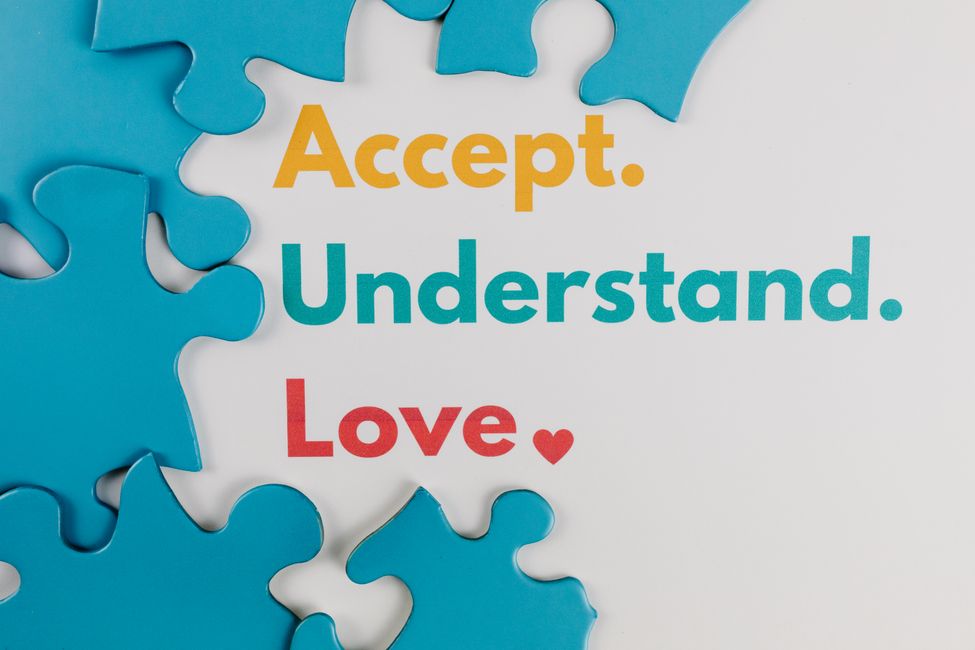
The 2026 Linguistic Revolution: Why Your Slang Is Now 'Neurospicy'
Let’s be real for a second: have you noticed that your group chat sounds a lot more like a psychology textbook lately? If you’ve described yourself as 'overstimulated' because the grocery store was too loud, or if you’ve called your latest obsession a 'hyperfixation,' you’re already part of the biggest linguistic shift of 2026. Neurodivergent culture hasn’t just arrived; it has officially taken over the driver’s seat of internet slang.
We’ve moved way past the era of clinical, sterile labels. In 2026, the 'Neuro-Affirming Glossary' has exploded to over 222 terms. We aren't just talking about 'symptoms' anymore; we're talking about 'traits,' 'sensory preferences,' and 'vibes.' It’s a total vibe shift that’s making the world a whole lot more inclusive—and a lot more interesting.
Ever felt like your brain has too many tabs open and they're all playing different music? You're not alone in the neurospicy revolution.
1. The Death of 'Normal' and the Rise of 'Neurospicy'
Remember when people used to use labels like 'mild' or 'severe' to describe neurodivergence? Yeah, 2026 called, and those terms are officially ancient history. Enter: Neurospicy. It’s the ultimate 2026 power word. It’s playful, it’s non-clinical, and it’s a massive middle finger to the medical model that tries to put people in boxes.
Using 'neurospicy' is about linguistic autonomy. It’s a way for the community to say, "I’m not a diagnosis; I’m a flavor profile." It’s about reclaiming the narrative. If you’re ever unsure if your self-description is hitting the right note or accidentally sounding like a 1990s medical journal, you should definitely run it through our Vibe Translator to keep it fresh and affirmative.
2. Clinical Language is the New Casual
Wait, what? How did 'executive dysfunction' become something we say while failing to do the dishes? In 2026, Gen Z and Gen Alpha have successfully mainstreamed clinical terminology to describe everyday experiences. Terms like 'overstimulated,' 'sensory overload,' and 'masking' are now universal.
This isn't about everyone claiming to have a condition; it's about everyone finally having the words to describe how their brains actually work. When you say you’re 'overstimulated' by a crowded mall, you’re using a precise tool to communicate a feeling that 'annoyed' just doesn't cover. This mainstreaming helps destigmatize the actual struggles of neurodivergent folks by making the language of the mind a common language.
Are you vibing with this shift yet, or is your social battery already at 1%?
3. The 'Double Empathy' Plot Twist
Here’s a fact that will blow your mind: for decades, the 'problem' with neurodivergent communication was blamed entirely on the neurodivergent person. But in 2026, the Double Empathy Problem has become the gold standard for understanding human interaction. This theory suggests that communication breakdowns are a two-way street—a mismatch between two different ways of experiencing the world, rather than a 'deficit' in one person.
This framework is literally changing corporate culture. In 2026, HR departments aren't just teaching 'social skills'; they're teaching 'communication flexibility.' If you’re worried your professional emails are coming off too blunt—or if you’re trying to decode a boss who speaks in riddles—our Generation Translator can help bridge that double-empathy gap by showing you how different neurotypes and age groups perceive the same sentence.
4. Vocal Stims and TikTok Brain Rot
Have you ever had a meme sound stuck in your head so hard you started saying it out loud every five minutes? In 2026, we call that a Vocal Stim. Originally a clinical term for repetitive sounds, it’s now mainstream slang for those catchy TikTok phrases that provide a hit of dopamine every time you say them.
Then there’s Brain Rot. While it started as a general term for scrolling too much, neurodivergent creators in 2026 use it to describe the specific sensory overwhelm and mental fog that comes from hyper-digital consumption. It’s a way of saying, "My processor is at 100%, and I need to reboot." It’s relatable, it’s funny, and it’s a crucial part of the 2026 identity. Not sure if your latest post is contributing to the rot? Use the Cringe Detector to see if you're serving 'brain rot' or 'main character energy.'
Honestly, who hasn't felt their brain turn into static after a three-hour scroll session?
5. Challenging 'Chrono-normativity'
This is a big one. Chrono-normativity is the 2026 buzzword that’s challenging the idea that we all have to hit life milestones at the same time. You know the drill: graduate at 22, married by 28, career peak at 35. For many neurodivergent people, that timeline is a trap.
By 2026, the culture has shifted to celebrate 'asynchronous development.' Using slang like 'tism' (a common community abbreviation for autism) to signal shared identity, creators are pushing back against the pressure to be 'on time' according to neurotypical standards. It’s about living life on your own clock. It’s a total vibe, and it’s making 2026 a lot less stressful for everyone.
6. The Mainstream Paradox: Is it Too Much?
Okay, time for a reality check. While the rise of 'Neuroslang' is amazing for visibility, it also creates a paradox. There’s a growing debate in 2026 about the 'watering down' of these terms. When everyone starts saying they’re 'hyperfixating' on a new TV show, does it diminish the experience of someone whose hyperfixations are a life-altering part of their neurodivergence?
This is where the 'Quirky Neurodivergent' aesthetic gets criticized for 'romanticizing' struggles. In 2026, the goal is to find a balance between inclusive slang and respecting the depth of the lived experience. It’s about being authentic, not just trendy. If you want to make sure your use of slang stays respectful and rooted in genuine culture, our Authenticity Shield is the perfect tool to check your tone before you post.
Is the trend helping or hurting? Let us know your thoughts in the comments below!
The Verdict on 2026 Slang
By the end of 2026, the shift is undeniable. A UK survey recently revealed that 98.8% of neurodivergent adults now use 'neurodiversity' as a primary identity marker. We’ve moved from academic jargon to a universal way of being. The influence of neurodivergent creators has made our language more precise, more empathetic, and—honestly—way more fun.
Language is constantly evolving, and right now, it’s evolving to include everyone. Whether you’re 'neurospicy,' 'overstimulated,' or just trying to avoid 'brain rot,' the words you use matter. They build the world we live in.
Want to stay ahead of the curve and make sure your 2026 vocabulary is on point? Head over to Slangify.me to explore our full suite of tools and become a master of the new inclusive lexicon today!
Get the Latest Slang Updates
New posts, trends, and slang terms delivered weekly